
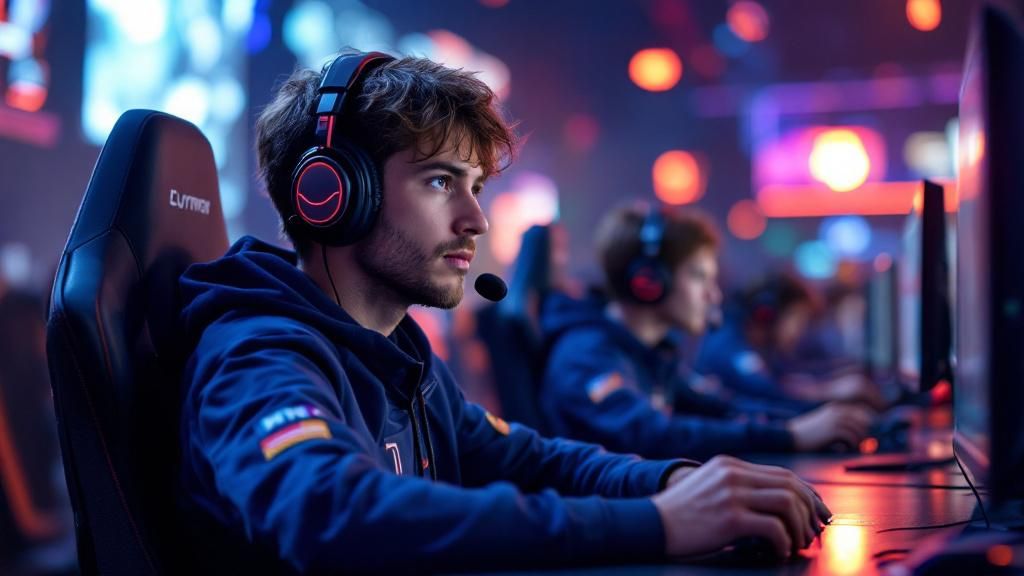
The esports industry has taken a significant step forward in emphasising competitor wellbeing. Prominent event operators have together launched a extensive competitor welfare framework, confronting established worries about mental wellbeing, labour conditions, and just treatment within professional gaming. This groundbreaking development marks a pivotal moment for esports legitimacy, establishing baseline protections that could reshape how the industry operates. We explore the framework’s central components, the bodies spearheading this shift, and what it means for players and the competitive gaming landscape in the future.
Industry-Wide Commitment to Player Wellbeing
The coordinated partnership between major esports companies marks a significant milestone for competitor welfare within professional esports. This cohesive approach demonstrates the industry’s genuine commitment to establishing sustainable standards that emphasise player health alongside competitive excellence. By pooling resources and expertise, these organisations have established thorough standards addressing physical health, psychological wellbeing, and occupational safety. The scheme shows increasing awareness that athlete wellbeing significantly affects competitive performance and professional lifespan, making it vital to the sport’s credibility and growth.
Tournament operators have confirmed that past requirements were scattered and uneven, exposing competitors to exploitation and burnout. The new framework standardises expectations among principal events, making certain each professional player obtains equal support and availability of vital assistance. This coordinated approach eliminates competitive disadvantages stemming from inconsistent protections and creates equal opportunities. Industry figures stress that these standards form essential foundations, urging bodies to surpass fundamental requirements and create truly caring settings where athletes can flourish across professional and personal dimensions.
Core Features of the Welfare Provision
The recently created welfare framework comprises multiple linked pillars intended to protect player interests thoroughly. These elements tackle mental wellbeing assistance, physical fitness, fair working conditions, and straightforward conflict resolution procedures. By combining these components, tournament organisers strive to develop a comprehensive strategy that acknowledges esports athletes as professional athletes deserving comprehensive protections. The framework defines essential standards that all associated competitions are required to adopt, ensuring standardised player protections across the esports competitive sector.
Mental Wellbeing Assistance Programmes
Recognising the mental health challenges characteristic of competitive esports, the framework requires availability of mental health professionals for every competing player. Event organisers must provide confidential counselling services, via direct provision or partnerships with accredited mental health professionals. Such services include stress reduction, support for performance-related anxiety, and emergency intervention services. Players gain access to trained psychologists who comprehend esports-specific issues, including digital harassment, intense competitive pressure, and career uncertainty.
The framework additionally stipulates tournaments to introduce psychological awareness schemes and stigma-reduction efforts across the community. Organisers are required to educate players, coaches, and staff about recognising psychological difficulties and accessing suitable assistance. Regular check-ins and wellbeing tracking mechanisms assist in spot struggling players at an early stage, enabling early action before situations progress into severe mental health emergencies.
Physical Health Requirements
Tournament operators must establish comprehensive physical health standards addressing ergonomics, break times, and clinical supervision. The framework mandates correct seating arrangements, monitor positioning, and downtime to prevent repetitive strain injuries common among esports professionals. Healthcare professionals must attend at large-scale competitions to handle acute health issues, whilst organisers are obliged to offer guidance about injury prevention and proper healthcare support for long-term player development.
Environmental circumstances at tournament venues are now governed by strict guidelines maintaining player comfort and safety. Regulations address temperature control, lighting standards, and noise levels to establish optimal competitive conditions. Additionally, the framework encourages players to complete regular health assessments and offers guidance on nutrition, sleep hygiene, and exercise routines vital to sustained professional performance in esports.
- Ergonomic equipment evaluations conducted by qualified specialists
- Required breaks between matches reducing athlete fatigue
- Medical personnel on location available throughout competitive events
- Injury reduction education and rehabilitation service availability
- Wellness tracking systems monitoring player wellbeing across the year
Implementation Timeline and Standards
The framework will be implemented in three separate phases, starting immediately with foundational reviews across participating organisations. Tournament operators have committed to completing initial audits of their current practices by the first quarter deadline, identifying gaps between current procedures and the updated requirements. This initial stage ensures a comprehensive assessment of each organisation’s current standing before making material alterations. Following phases will involve employee development, policy updates, and the creation of autonomous monitoring systems to ensure adherence and transparency throughout the competitive gaming sector.
The standards themselves cover mandatory provisions relating to mental health support, sensible practice arrangements, and open reward distribution systems. Each organisation must designate a specialist player welfare representative responsible for addressing grievances and ensuring adherence to guidelines. Routine inspections, performed by third-party bodies, will verify compliance and pinpoint aspects needing enhancement. These comprehensive measures establish measurable benchmarks for competitor welfare, with compliance procedures including monetary sanctions and prospective event bans for organisations not meeting required standards.
Industry Response and Future Outlook
The declaration has attracted considerable endorsement from key figures within the professional esports landscape. Players’ associations have praised the structure as a essential move towards advancing the professional standards of the sector, whilst organisation proprietors and sponsors appreciate the potential for enhanced credibility and long-term viability. Hardware producers and content distribution networks have pledged to incorporate player welfare into their operations, reflecting a collective commitment to structural reform. Initial signs indicate that regulatory bodies and government officials perceive the standards favourably, conceivably facilitating statutory acknowledgement of esports as a legitimate professional sector.
Looking ahead, industry observers anticipate that this framework will serve as a blueprint for worldwide implementation, with regional competitions and smaller competitions expected to adopt similar guidelines. The programme is expected to encourage continued dialogue regarding athlete remuneration, professional progression routes, and psychological support services. As esports undergoes rapid expansion, these welfare standards represent a crucial safeguard ensuring that competitive gaming stays sustainable, inclusive, and respectful for all participants, ultimately strengthening the industry’s position as a legitimate competitive sector.
